
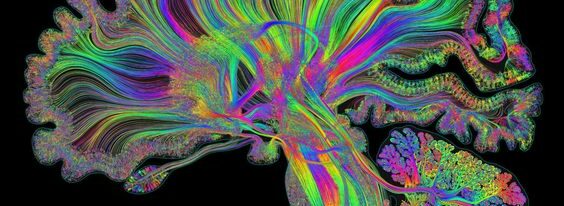
Traumatic brain injury (TBI) remains one of the most heterogeneous conditions in neurology. CT and conventional MRI are indispensable for detecting hemorrhage, contusion, and mass effect in moderate–severe TBI, and intracranial pressure (ICP) monitoring with cerebral perfusion pressure targets still underpins acute guideline‑based management. Yet many patients, particularly with mild TBI (mTBI), have persistent cognitive, affective, or vestibular symptoms despite “normal” routine imaging. This diagnostic gap has driven intense interest in advanced neuroimaging—diffusion MRI, PET, and especially fMRI time‑series—to capture microstructural and network‑level dysfunction that is invisible to standard scans.
This post briefly surveys structural and molecular imaging (DTI and PET) and then focuses on how fMRI time‑series methods are being used to evaluate TBI and, increasingly, to forecast outcome.
/ From Structure to Microstructure: CT/MRI, DTI and PET
In the acute setting, head CT and structural MRI remain the workhorses for triage and neurosurgical decision‑making, and ICP monitoring is recommended in comatose patients with abnormal CT or high‑risk features, with therapies titrated to keep ICP and cerebral perfusion pressure within guideline‑defined thresholds. These tools are excellent for managing life‑threatening mass lesions and swelling, but they have limited sensitivity to diffuse axonal injury and subtle circuit disruption—central to chronic mTBI.
Diffusion tensor imaging (DTI) has consistently shown that even “uncomplicated” mTBI produces microstructural white‑matter disruption that correlates with cognition. In youths with mTBI, both deep and superficial white matter—especially the corpus callosum and association fibers—show reduced fractional anisotropy (FA), and the burden of low‑FA voxels tracks with slower processing speed. In military service members with remote mTBI (>2 years post‑injury), combining conventional DTI with neurite orientation dispersion and density imaging (NODDI) reveals widespread white‑matter alterations (e.g., reduced intra‑cellular volume fraction in corticospinal tracts, abnormal orientation dispersion in thalamic radiations and uncinate fasciculus) that are tightly linked to PTSD and post‑concussion symptom scores. NODDI metrics are often more sensitive than standard DTI indices, underscoring the value of biophysically informed diffusion models in chronic TBI.
Figure 1. Reduced FA in corpus callosum and superficial white matter in youths with mTBI, and NODDI parameter maps highlighting corticospinal and callosal changes in military mTBI, adapted from Stojanovski et al. and Kim et al.
Positron emission tomography (PET) pushes beyond structure to molecular pathology. FDG‑PET reveals regional hypometabolism after mTBI and in chronic traumatic encephalopathy (CTE), while amyloid and tau PET demonstrate abnormal protein aggregation in subsets of patients with repetitive head impacts. Newer tracers targeting neuroinflammation (e.g., TSPO ligands) and GABAergic synaptic integrity show chronic microglial activation and neuronal loss even when structural MRI is unremarkable. As of 2024, PET is still mainly a research tool rather than a routine clinical test in mTBI, but it is increasingly used to phenotype patients and to link repetitive head impacts to later neurodegeneration.
/ fMRI Time‑Series: Networks, Dysconnectivity, and Chronic Symptoms
Blood‑oxygen‑level‑dependent (BOLD) fMRI offers a noninvasive window onto large‑scale brain networks at rest or during tasks. Resting‑state fMRI (rs‑fMRI) studies consistently show that TBI perturbs canonical networks such as the default mode (DMN), salience (SN), frontoparietal/executive control (FPN), sensorimotor, and visual systems. A 2024 systematic review of 66 rs‑fMRI studies in adult mTBI found that, across methods and cohorts, there is a slight tendency toward decreased whole‑brain functional connectivity in the first month post‑injury, with more heterogeneous patterns (including apparent “hyperconnectivity”) in later phases, likely reflecting a mixture of recovery and compensation.
Single‑study data illustrate what this looks like at network scale. In mTBI patients with persistent post‑concussive symptoms, resting‑state analyses show decreased connectivity within lateral parietal DMN nodes and atypical coupling between DMN, SN, task‑positive, and visual networks; these changes correlate with symptom severity and behavioral measures. In acute mTBI with cognitive impairment, functional network connectivity analyses reveal widespread disruptions involving SN, DMN, FPN, sensorimotor, and cerebellar networks, and the degree of network‑to‑network dysconnectivity predicts neuropsychological performance. Longitudinal fMRI in moderate–severe TBI shows that DMN and frontoparietal connectivity generally increase over the first year post‑injury—consistent with partial network recovery or compensatory reorganization—before plateauing.
Figure 2. Altered resting‑state connectivity maps in DMN and SN (e.g., seed‑to‑voxel or ICA components) and a plot illustrating connectivity–symptom correlations, adapted from Amir et al. and Li et al.
These static connectivity findings already have potential clinical utility: they provide objective metrics linked to symptoms and cognition when structural scans are normal, and they highlight specific networks (e.g., attention, salience) that might be targeted by rehabilitation or neuromodulation.
/ Beyond Static FC: Dynamics, Radiomics, and Forecasting
fMRI time‑series methods increasingly go beyond static functional connectivity (FC) to characterize the temporal organization of brain networks. Dynamic functional connectivity (dFC) uses sliding‑window correlations, state‑space clustering, or graph‑theoretic metrics to identify recurring “brain states” and quantify how often, how long, and in what sequence they occur. In acute mTBI, dynamic network analysis reveals that patients who later develop persistent post‑concussion syndrome spend more time in particular low‑efficiency connectivity states, show slower fluctuations in global network metrics, and differ in state‑transition patterns compared with both healthy controls and mTBI patients who recover fully. These results suggest that early alterations in network dynamics carry prognostic information beyond static FC snapshots.
In parallel, “radiomics” and machine‑learning approaches treat whole‑brain fMRI as a high‑dimensional feature space. A radiomics study in mTBI combined multiple rs‑fMRI metrics—amplitude of low‑frequency fluctuations (ALFF/fALFF), regional homogeneity (ReHo), degree centrality (DC), voxel‑mirrored homotopic connectivity, and functional connectivity density—and trained a support vector machine classifier that distinguished mTBI from controls with roughly 81% accuracy, 88% sensitivity, and 75% specificity. Informative features clustered in cerebellar, orbitofrontal, cuneus, temporal‑pole, and parietal regions linked to emotion and cognition. Other work combining diverse rs‑fMRI metrics with machine‑learning pipelines in chronic mTBI has reported high classification performance and shown that rs‑fMRI features correlate with cognitive test scores and symptom inventories.
Taken together, these time‑series–derived features (static FC, dynamic states, graph‑theoretic measures, and voxelwise radiomic descriptors) are beginning to support two complementary clinical tasks:
- Evaluation: objectively confirming functional brain alterations in patients with normal structural imaging, mapping which networks are affected (e.g., DMN vs attention vs visual), and quantifying symptom burden.
- Forecasting: identifying early network signatures (e.g., dynamic instability, inefficient global topology) that predict longer‑term outcomes such as persistent symptoms, cognitive trajectories, or treatment response.
Prospective efforts now increasingly integrate fMRI‑derived features with structural imaging, diffusion metrics, and behavioral data into multivariate models for outcome prediction. While no single fMRI measure has yet been accepted as a stand‑alone biomarker, the trajectory is clearly toward multimodal, machine‑learning–based risk stratification.
Figure 3. Time-series prediction: (i) dynamic FC state diagrams before/after TBI and (ii) a schematic ML pipeline where rs‑fMRI time‑series features (ALFF, ReHo, dFC states, graph metrics) feed into a classifier or regression model predicting cognitive outcome, inspired by Hou et al. and Luo et al.
/ A Cautionary Note: Neurovascular Coupling and the BOLD Signal
Interpreting BOLD fMRI in TBI requires caution because injury affects not only neurons but also vasculature and neurovascular coupling. TBI commonly produces cerebral hypoperfusion, blood–brain barrier disruption, vasospasm, microvascular injury, and chronic inflammation, all of which alter cerebrovascular reactivity and the relationship between neural activity and blood flow. Reviews of cerebrovascular dysfunction in TBI emphasize that both large‑vessel and microvascular abnormalities can persist well into the chronic phase, with lingering hypoperfusion and impaired vasodilation even when bulk CBF appears “normal.”
These vascular changes can modify the shape and timing of the hemodynamic response function and may lead to apparent “hyper‑” or “hypoconnectivity” in rs‑fMRI that partly reflects altered vascular responsiveness rather than pure neuronal coupling. CVR and ASL studies in mTBI support this picture, reporting regional reductions or regional increases in CBF and blunted vasodilatory responses that co‑localize with symptom‑relevant networks. Recent rs‑fMRI work that explicitly examines functional connectivity–hemodynamic “uncoupling” suggests that regions with the greatest mismatch between FC and perfusion metrics are also the regions where cognitive and mental‑health scores are most abnormal.
For clinical translation, this argues for:
- incorporating perfusion or CVR mapping (e.g., BOLD‑CO₂ or ASL) into TBI fMRI protocols when feasible;
- using analysis methods that allow regional or subject‑specific differences in neurovascular coupling, rather than assuming a canonical hemodynamic response.
/ The Persistent Outlook
By 2024, the neuroimaging picture of TBI is multi‑layered. DTI and advanced diffusion models (such as NODDI) reveal persistent microstructural damage that correlates with cognition and symptoms. PET exposes metabolic, inflammatory, and protein‑aggregation processes that may drive long‑term neurodegeneration. ICP monitoring and structural imaging remain essential for acute life‑saving care, but they explain relatively little of the variance in chronic functional outcome.
fMRI time‑series methods occupy a crucial middle ground, capturing how distributed networks and their dynamics are reconfigured by injury. Static and dynamic connectivity patterns in DMN, salience, attention, and executive networks—together with radiomic features and machine‑learning models—are emerging as promising tools for classifying TBI, quantifying symptom burden, and, increasingly, forecasting recovery trajectories.[6–11] The key challenges now are methodological standardization, explicit modeling of neurovascular coupling, and validation in large, harmonized longitudinal cohorts. If those hurdles are cleared, fMRI time‑series analyses are well positioned to move from research into the clinical toolkit for personalized TBI evaluation and prognosis.
- Carney N, Totten AM, O’Reilly C, Ullman JS, Hawryluk GWJ, Bell MJ, et al. Guidelines for the management of severe traumatic brain injury, 4th edition. Brain Trauma Foundation; 2016.
- Stojanovski S, Nazeri A, Lepage C, Ameis S, Voineskos AN, Wheeler AL. Microstructural abnormalities in deep and superficial white matter in youths with mild traumatic brain injury. Neuroimage Clin. 2019;24:102102.
- Kim S, Ollinger J, Song C, Raiciulescu S, Seenivasan P, Wolfgang M, et al. White matter alterations in military service members with remote mild traumatic brain injury. JAMA Netw Open. 2024;7(4):e248121.
- Huang CX, Li YH, Lu W, Huang SH, Li MJ, Xiao LZ, et al. Positron emission tomography imaging for the assessment of mild traumatic brain injury and chronic traumatic encephalopathy: recent advances in radiotracers. Neural Regen Res. 2022;17(1):74–81.
- Ayubcha C, Revheim ME, Newberg A, Moghbel M, Rojulpote C, Werner TJ, et al. A critical review of radiotracers in the positron emission tomography imaging of traumatic brain injury: FDG, tau, and amyloid imaging in mild traumatic brain injury and chronic traumatic encephalopathy. Eur J Nucl Med Mol Imaging. 2021;48(2):623–41.
- Dogra S, Arabshahi S, Wei J, Saidenberg L, Kang SK, Chung S, et al. Functional connectivity changes on resting-state fMRI after mild traumatic brain injury: a systematic review. AJNR Am J Neuroradiol. 2024;45(6):795–801.
- Amir J, Nair JKR, Del Carpio R, Ptito A, Chen J‑K, Chankowsky J, et al. Atypical resting state functional connectivity in mild traumatic brain injury. Brain Behav. 2021;11(7):e2261.
- Li F, Lu L, Shang S, Chen H, Wang P, Zhou Y, et al. Disrupted functional network connectivity predicts cognitive impairment after acute mild traumatic brain injury. CNS Neurosci Ther. 2020;26(10):1083–91.
- Hou W, Sours Rhodes C, Jiang L, Roys S, Zhuo J, JaJa J, et al. Dynamic functional network analysis in mild traumatic brain injury. Brain Connect. 2019;9(6):475–87.
- Luo X, Lin D, Xia S, Wang D, Weng X, Huang W, et al. Machine learning classification of mild traumatic brain injury using whole-brain functional activity: a radiomics analysis. Biomed Res Int. 2021;2021:3015238.
- Vedaei F, Newberg AB, Alizadeh M, Mozumdar N, Rahmim A, Soltanian-Zadeh H, et al. Resting-state functional MRI metrics in patients with chronic mild traumatic brain injury and their association with clinical cognitive performance. Front Hum Neurosci. 2021;15:768485.
- Salehi A, Zhang JH, Obenaus A. Response of the cerebral vasculature following traumatic brain injury. J Cereb Blood Flow Metab. 2017;37(7):2320–39.
Leave a Reply